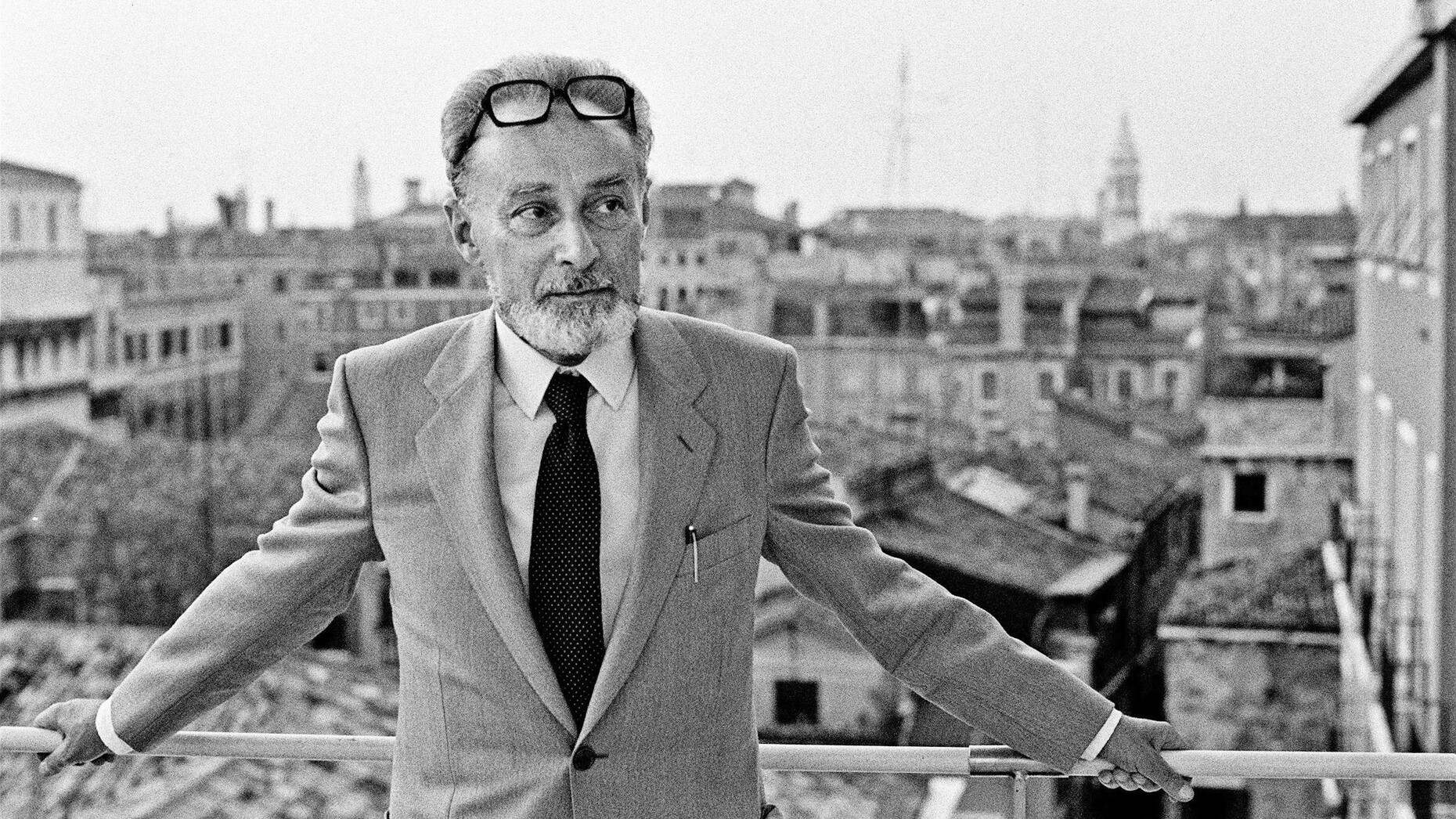
Primo Levi: Science, Literature, and the Crisis of Rationality in "The Angelic Butterfly"
DOI:
https://doi.org/10.47456/20263701Keywords:
Holocaust; Primo Levi; Historiography.Abstract
This article analyzes the work of Primo Levi through the articulation between literature, science, and the crisis of rationality in the 20th century, with an emphasis on his fictional production. It proposes a methodological approach between historical and memory studies and Levi’s literary texts, expanding the horizons of historiography when faced with extreme events such as the Holocaust. The approach is based on the perspective formulated by Ivan Jablonka, which merges documentary rigor, narrative sensitivity, and ethical commitment, allowing fiction to be considered a legitimate means of constructing historical knowledge. The article is structured around three axes: 1) the historiographical tradition that frames Levi as an “exemplary” witness, contrasted with the narrative and epistemological richness of his literary work; 2) Levi’s critique of modern scientific rationality, discussed in light of Ludwig Wittgenstein’s “grammar of science”; and 3) the analysis of the short story Angelic Butterfly, from the book Natural Histories, as an example of Levi’s critique of Nazi technoscience and of scientific language as an instrument of violence. By integrating theory, literature, and history, this study proposes a renewed reading of Levi's work and its potential contributions to historical writing.
Downloads
References
Fontes
BELPOLITI, M. Animali e fantasmi. In: LEVI, P. L’ultimo Natale di guerra. Torino: Einaudi, 2001. p. 17-18.
CALVINO, I. I due mestiere di Primo Levi. In: L’ultrui mestiere. Torino: Einaudi, 2011. p. VIII.
LEVI, P. Borboleta Angélica. In: – 71 contos de Primo Levi. Tradução de Maurício Santana Dias. Rio de Janeiro: Companhia das Letras, 2005. p. 55-62.
LEVI, P. La ricerca delle radici. Torino: Einaudi Tascabili, 1997.
LEVI, P. Se questo è un uomo. Torino: Giulio Einaudi Editore, 2011.
LEVI, P. Sono un chimico, scrittor per caso. Entrevista concedida a Pier Maria Paoletti. In: BELPOLITI, M. Primo Levi: conversazioni e interviste 1963-1987. Torino: Einaudi, 1997.
LEVI, P. Storie naturali. In: LEVI, P. Tutti i racconti. Torino: Giulio Einaudi Editore, 2015.
Obras gerais
AGAMBEN, Giorgio. O que resta de Auschwitz. Tradução Selvino J. Assmann. São Paulo: Boitempo, 2008.
BASEVI, Anna. A janela indiscreta da testemunha Primo Levi e o fantástico pós-Auschwitz. Boletim de Pesquisa NELIC, Florianópolis, v. 15, n. 23, p. 227-239, 2015.
CALDAS, Pedro Spinola Pereira. A micro-história de Primo Levi: um estudo sobre A Tabela Periódica. Fênix – Revista de História e Estudos Culturais, [s. l.: s.n.], v. 18, n. 1, p. 37-60, jan./jun. 2021.
CALDAS, Pedro Spinola Pereira. O evento limite em Primo Levi: uma leitura de Os afogados e os sobreviventes. Literatura e Sociedade, São Paulo, Brasil, v. 25, n. 32, 2020, p. 54.
CENTRO INTERNAZIONALE DI STUDI PRIMO LEVI. Vizio di forma. Disponível em: https://www.primolevi.it/en/vizio-forma. Acesso em: 27 jul. 2025.
CONDÉ, Mauro; LEITÃO, Lúcio. As teias da razão: Wittgenstein e a crise da racionalidade moderna. Belo Horizonte: Argvmentvm Editora, 2004a.
CONDÉ, Mauro; LEITÃO, Lúcio. Wittgenstein e a gramática da ciência. Unimontes Científica, Montes Claros, v. 6, n. 1, jan./jun. 2004b, p. 4-7, 16-17. Disponível em: http://www.ruc.
unimontes.br/index.php/unicientifica/article/view/63. Acesso em: 2 nov. 2020.
DIDI-HUBERMAN, Georges. Remontagens do tempo sofrido: O olho da História II. Belo Horizonte: Editora UFMG, 2018.
FELMAN, Shoshana. Educação e crise ou as vicissitudes do ensinar. In: NESTROVSKI, Arthur; SELIGMANN-SILVA, Márcio (orgs.). Catástrofe e representação: ensaios. São Paulo: Escuta, 2000. p. 13-53.
FRANÇOIS, Hartog. Evidência da história: o que os historiadores vêem. Tradução Guilherme João de Freitas Teixeira com colaboração de Jaime A. Clasen. Belo Horizonte: Autêntica Editora, 2013.
GAGNEBIN, Jeanne Marie. Apresentação. In: AGAMBEN, Giorgio. O que resta de Auschwitz. Tradução Selvino J. Assmann. São Paulo: Boitempo, 2008. p. 9-19.
GAGNEBIN, Jeanne Marie. Lembrar, escrever, esquecer. São Paulo: Ed. 34, 2006.
JABLONKA, Ivan. La historia es una literatura contemporánea: manifiesto por las ciencias sociales. Buenos Aires: Siglo XXI, 2016.
LACAPRA, Dominick. Historia y memoria después de Auschwitz. Buenos Aires: Prometeo Libros, 2009.
MARTINS, Isabelle Pinto. Os diferentes testemunhos em Primo Levi. 2021. Dissertação (Mestre em Letras Neolatinas, área de concentração Estudos Literários Neolatinos – Literaturas de Língua Italiana) – Faculdade de Letras, Universidade Federal do Rio de Janeiro, Rio de Janeiro, 2021.
RICOEUR, Paul. A memória, a história, o esquecimento. Tradução de Alain François. Campinas: Editora da Unicamp, 2007.
SARLO, Beatriz. Tempo passado: cultura da memória e guinada subjetiva. Tradução: Rosa Freire d’Aguiar. São Paulo: Companhia das Letras; Belo Horizonte: UFMG, 2007.
SELIGMANN-SILVA, Márcio. Narrar o trauma: a questão dos testemunhos de catástrofes históricas. Revista Psicologia Clínica, Rio de Janeiro, v. 20, n. 1, 2008.
TODOROV, Tzvetan. Introdução à literatura fantástica. Tradução Maria Clara Correa Castello. São Paulo: Perspectiva, 2017.
Downloads
Published
Issue
Section
License
Copyright (c) 2026 Ágora Journal

This work is licensed under a Creative Commons Attribution-ShareAlike 4.0 International License.
Revista Ágora (Vitória) © 2005 by Universidade Federal do Espírito Santo is licensed under Attribution-ShareAlike 4.0 International